Michael Blackwood Productions
is an independent production company that has produced and distributes over 150 documentaries focused on the arts with an emphasis on contemporary developments and the avant-garde from the 1960s through the second decade of the 21st century.
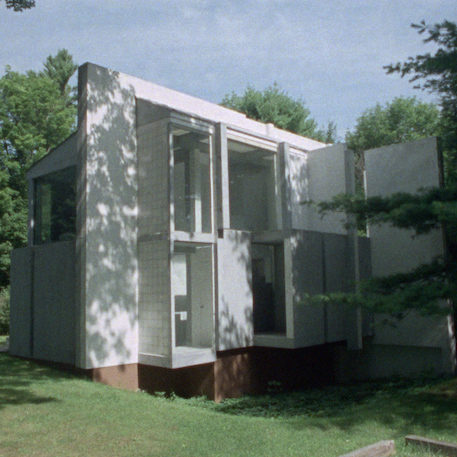
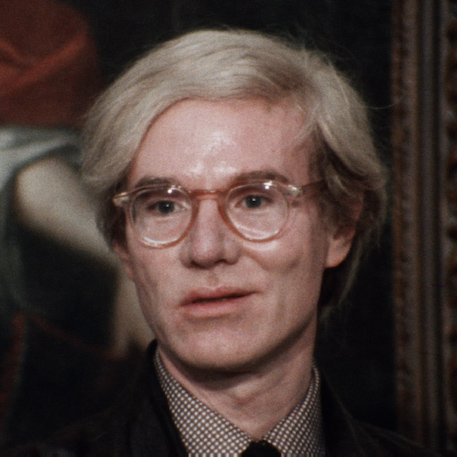
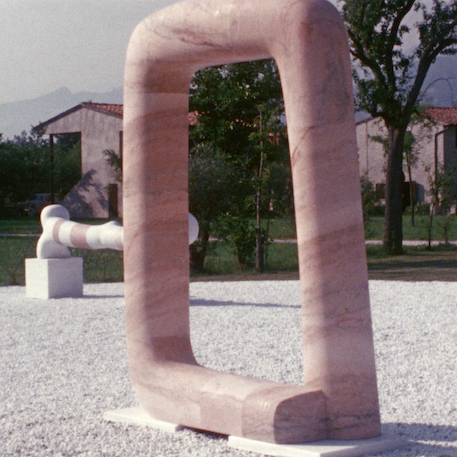
The subject matter is heavily concentrated around art and artists, architecture and architects, dance and choreographers, and music and composers. Several titles cover literature, history, film history, and science. The medium is used in an austere fashion as a means of documenting the ideas, creations, and personalities in these disciplines.
The prevailing method relates to cinéma vérité and direct cinema, focusing solely on the subject in a relevant place and time, in conversation with an expert or in monologue, using limited narration. Some films represent notable snapshots in time, others long-term observations or retrospectives. All are intended to be Informative and personal, with an occasional degree of didacticism. The collection is notable for the timely manner in which the films are made, and the active participation of hundreds of subjects, collaborators and witnesses. These documentations serve to educate and inspire by providing a cultural testimony, from early to post-postmodernism and the early 20th to 21st century.
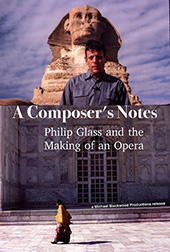
Featured Titles
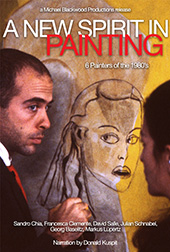
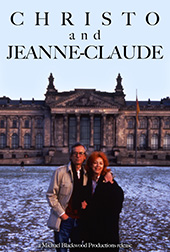
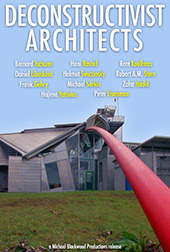
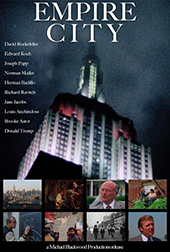
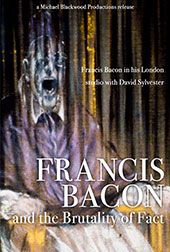
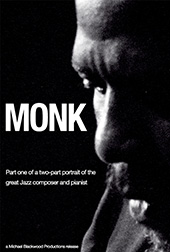
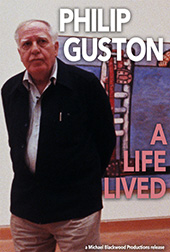
Featured Collections
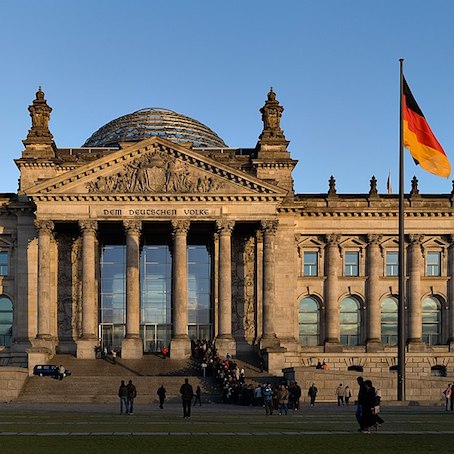
The Berlin Collection